The Psychology of Reading: Why Books Change the Way We Think
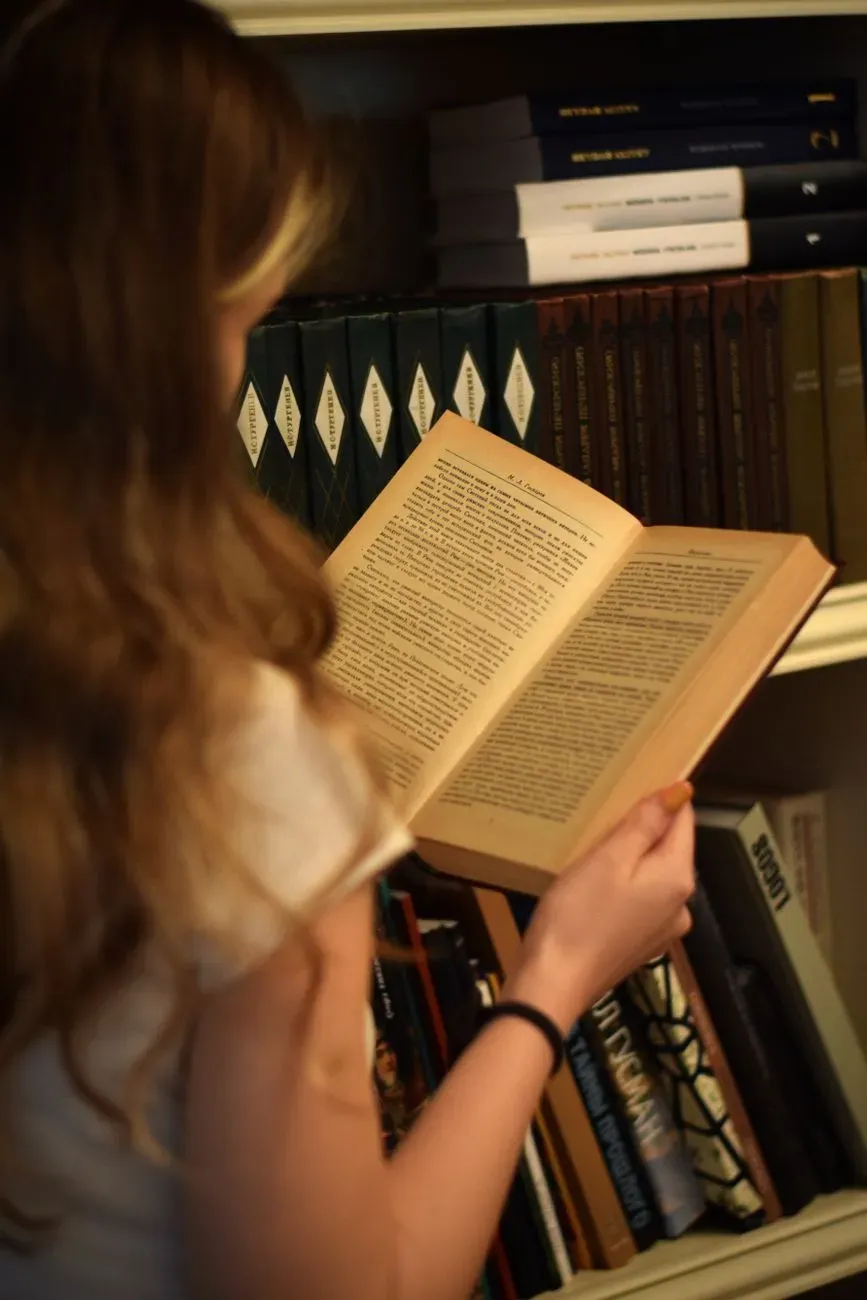 Reading is often seen as a hobby, but psychology suggests it is much more than that. Every time we open a book, our brain is actively building connections, interpreting emotions, imagining experiences, and strengthening cognitive abilities. Whether you enjoy novels, biographies, history, or philosophy, reading has the power to shape how you think and understand the world.
In a time when short-form videos and endless scrolling dominate our attention, reading remains one of the few activities that encourages deep focus and meaningful reflection.
What Happens to Your Brain When You Read?
Reading is one of the most complex mental activities humans perform. It requires the brain to recognize words, understand language, visualize scenes, predict outcomes, and connect new information with existing knowledge.
Researchers have found that regular reading activates multiple regions of the brain simultaneously, improving comprehension, memory, and analytical thinking. Unlike passive entertainment, reading requires active participation from the reader.
This is one reason why people who read regularly often become better communicators and problem-solvers.
Reading Builds Empathy
One of the greatest benefits of reading fiction is the opportunity to experience life through someone else's perspective.
When readers follow the journey of a character facing difficult choices, they naturally begin to understand different emotions, cultures, and beliefs. This process helps develop empathy, making it easier to appreciate viewpoints that differ from our own.
Classic novels are especially effective because they explore universal themes such as love, justice, ambition, sacrifice, and forgiveness.
Books Improve Concentration
Modern technology constantly competes for our attention. Notifications, social media, and short videos encourage us to consume information in small fragments.
Books demand something different. They reward sustained attention.
Reading for even twenty to thirty minutes without distractions trains the brain to focus for longer periods. Over time, this habit can improve productivity in both academic and professional settings.
Reading Strengthens Critical Thinking
Books rarely provide simple answers. Instead, they encourage readers to evaluate evidence, question assumptions, and consider multiple interpretations.
Whether reading a legal case study, a historical account, or a literary classic, readers learn to identify patterns, recognize bias, and form independent opinions.
These skills are increasingly valuable in a world where information is abundant but not always reliable.
Why Classic Literature Has a Unique Impact
While every genre has something valuable to offer, classic literature often presents complex characters and timeless moral questions that continue to challenge readers.
Works by Jane Austen, Fyodor Dostoevsky, George Orwell, William Shakespeare, and Rabindranath Tagore continue to inspire readers because they explore experiences that remain relevant across generations.
If you are looking for a curated introduction to influential books from different countries, this guide to classic literature around the world provides an excellent overview of timeless works and the cultures they represent.
Reading Reduces Stress
Research suggests that reading can help reduce stress by allowing the mind to focus on a single activity. Even a few minutes of reading each day can create a sense of calm while providing an escape from daily pressures.
Unlike endless scrolling, reading encourages mindfulness and intentional engagement.
How to Read More Consistently
Building a reading habit does not require finishing hundreds of books each year.
Start with small, achievable goals.
- Read for 20 minutes every day.
- Carry a book or e-reader when travelling.
- Replace a few minutes of social media with reading.
- Join a book club or reading challenge.
- Keep a notebook to record memorable quotes and ideas.
Consistency matters more than speed.
Final Thoughts
Reading is one of the simplest investments you can make in yourself. It strengthens the mind, expands your understanding of the world, and encourages thoughtful reflection. Every book introduces new ideas, challenges old assumptions, and helps you grow both intellectually and emotionally.
In an age where information is available instantly, the ability to read deeply and think critically has become a valuable skill. A good book does more than tell a story. It changes the way you see the world, one page at a time.